

Degree Project
MITANOND – Practices and tools to strengthen the solidarity network
Anna Ruth Kaufmann
Student
Anna Ruth Kaufmann Academic staff
Teresa Palmieri Course
Master in Eco Social Design Laurea / Abschluss 26.2 Program
MA Eco-Social Design Semester
2025/26 SS Social tensions and polarization deeply influence how communities perceive diversity and navigate daily interactions. In this context, local organizations like Integration Boards play a crucial role in fostering spaces for dialogue, connection, and participation.
This thesis, MITANOND, explores how participatory and creative design approaches can support small municipalities in strengthening their solidarity networks. Through a collaborative process, the project reflects on ways an Integration Board can increase its visibility as an important local actor. This involves creating new opportunities for exchange regarding coexistence and enhancing networks among diverse local actors and other integration boards around South Tyrol. Rather than providing a definitive solution, the project aims to initiate a transformative process toward a more inclusive future. By combining research, co-creation, and participatory design methods, MITANOND generates interactive initiatives and adaptable tools that other municipalities can use to build welcoming and solidarity communities.

1/7
Workshop to better understand the Integration Board's vision, expectations, and motivations.

2/7
The Integration Board's vision of a diverse and welcoming future, presented as a newspaper headline.

3/7
The Integration Board was presented at Mai:Rock Festival as their first step to introduce themselves and build their network.

4/7

5/7

6/7
A documentary was created as a reflection and network tool, with the screening event bringing different actors together.

7/7
Documentary
A project made in the course
Master in Eco Social Design Laurea / Abschluss 26.2
Graduation projects from the Master in Eco-Social Design.
More projects by Anna Ruth Kaufmann
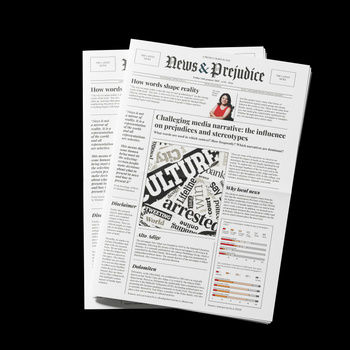
Anna Ruth Kaufmann, Elisa Di Rocco
How do words shape reality?
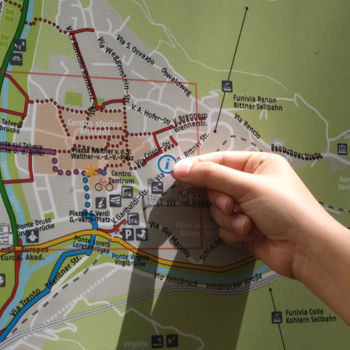
Anna Ruth Kaufmann, Emma Laura Baylon Ibarra
How can we make Bolzano a city that cares?

Anna Ruth Kaufmann, Emma Laura Baylon Ibarra
How to find support as a migrant in Bolzano?
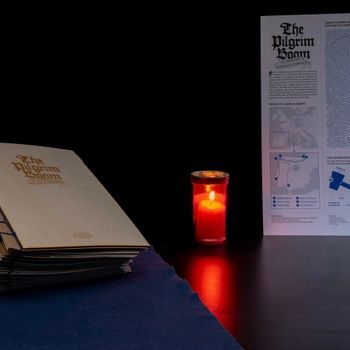
Anna Ruth Kaufmann, Emanuela Annadesideria De Nitto, Liselotte Michelle Van Beveren, Tim Andre Hoenig
How many footsteps are too many?