How can nature experiences for youth become more accessible?

Degree Project

Second Nature

Alice Jade Yorke

Second Nature is a participatory design project that transforms a disturbed nature-based space into a shared habitat for young people and local biodiversity. This project emerged in response to research that today’s youth are the most nature-deprived generation in history. Driven by a desire to increase equitable access to nature for young people, Second Nature was developed in partnership with the POiNT youth centre in Egna-Neumarkt and Dachverband für Natur- und Umweltschutz. Together with the teenagers, youth workers, community members, and ecological experts, the project explored how placemaking can foster environmental learning, strengthen connections to nature, and encourage long-term stewardship. Through hands-on workshops, habitat creation, and co-design, the project demonstrates how small interventions can create a ripple effect to support long-term ecological and social change. Ultimately, the project seeks to make care for people and the environment become second nature.

Between Ecology, Culture and Community

Our primary research combined ecological, cultural, and historical investigations of the site to better understand its past, present, and potential futures. We studied the existing vegetation, habitat conditions, and spatial qualities of the area, while also tracing how the landscape has changed over time through maps, images, and local knowledge. To deepen our understanding, we spoke with experts from different fields, including ecology, biodiversity, forestry, and social work, whose insights helped us interpret the site’s current conditions and inform our design approach.

1/6
2/6
3/6
4/6
5/6
6/6

Connecting Environmental Education and Placemaking

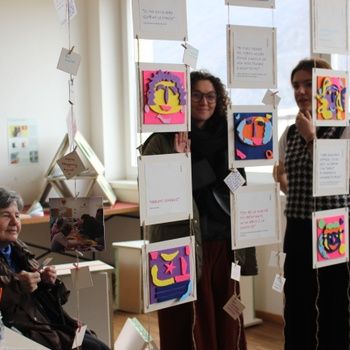
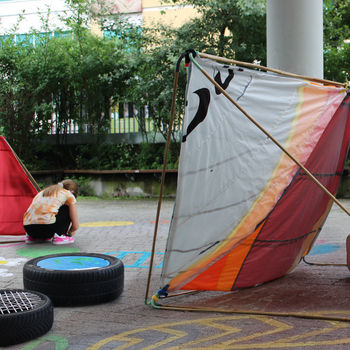
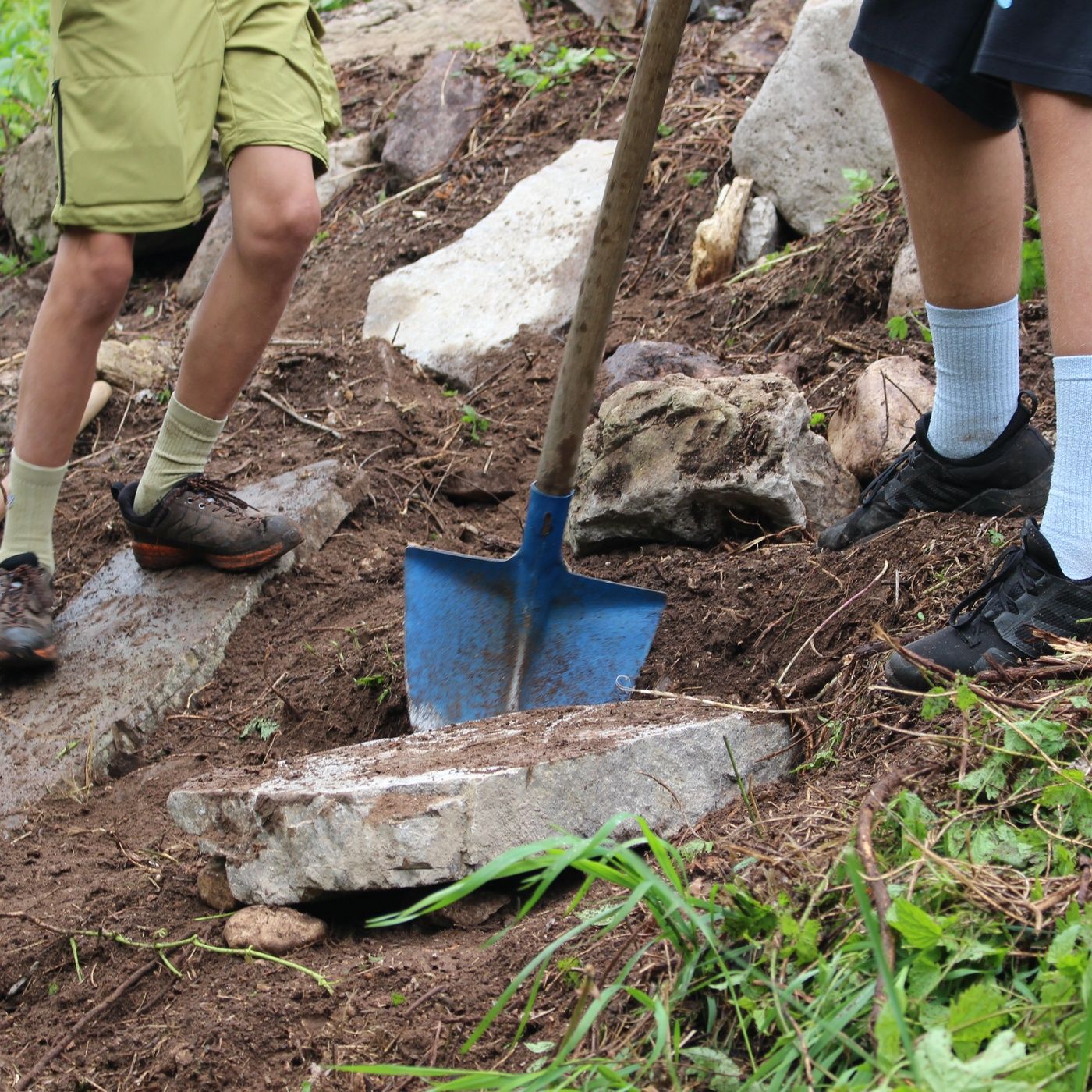
Building on our research, we translated insights into action through a series of four participatory workshops with teenagers from the POiNT youth centre. Together, we removed invasive plants like the Tree of Heavens (Ailanthus Altissima) and Black Locust (Robinia pseudoacacia), developed a shared vision for the project site, designed and built outdoor furniture for the teens, and created habitat for local biodiversity. Each workshop encouraged hands-on learning, collaboration, and collective decision-making, allowing participants to actively shape the space while fostering a stronger connection to their local environment.

The Value of Process and Future Outlook

Rather than creating a finished space, the project established the foundations for an evolving landscape that can continue to grow with its users and surrounding ecosystem. By involving young people throughout the process, the project fostered a sense of ownership, environmental awareness, and shared responsibility for the place. As the space continues to develop through the support of the POiNT youth centre and local partners, it offers a model for how small, community-led interventions can inspire lasting stewardship and strengthen relationships between people and the more-than-human world.

A project made in the course

Master in Eco Social Design Laurea / Abschluss 26.2

Graduation projects from the Master in Eco-Social Design.
More projects by Alice Jade Yorke