Experience through mollica
Tobia Socche
This experience comes from a deep reflection based on how we taste food and it tries to go beyond the normal attitudes. I have focused on the bread and on its most interesting part: Mollica, the white soft part inside the bread. This project is a journey based on its incredible architecture. Through its
different shapes, you can explore its main functions such as impermeability, malleability, hardness, softness, compactness and porosity. Furthermore, I want to demonstrate how different shapes of Mollica can change the flavor of food and influence our perception of tasting.
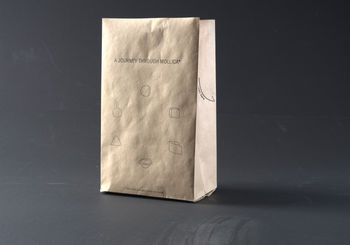
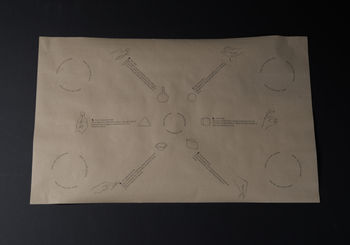
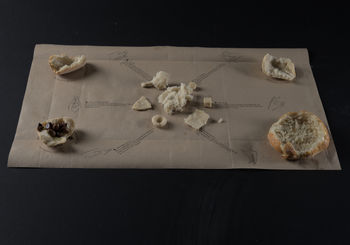
The final solution merges packaging and communication into a single
touchpoint: a traditional paper bread bag. Rather than creating a sepa
rate, formal instruction manual, I chose to elevate this everyday object.
The surface of the bag is printed with designed graphics that serve as
a visual guide. Furthermore, the bread bag is no longer just a disposable
wrapper; it becomes the interactive interface of the entire project, invit
ing people to turn a simple loaf of bread into a structured sensory ritual.
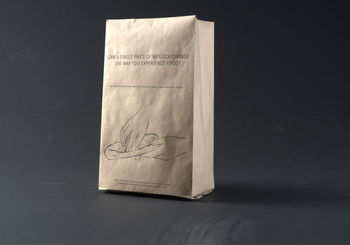
Back side of the paper bag.
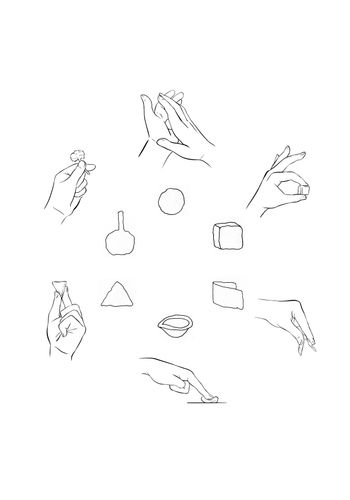
I developed a series of six distinct prototypes. Some prototypes
use the compressed, impermeable state of the Mollica to be used
for liquids or dense sauces. Others are shaped to scoop, while
some maintain a porous surface to absorb oils. Each prototype
is no longer just food, but an active tool engineered to guide a
specific interaction
Designing How Things Feel (Right) - Usability & Emotional Interaction in Physical Products